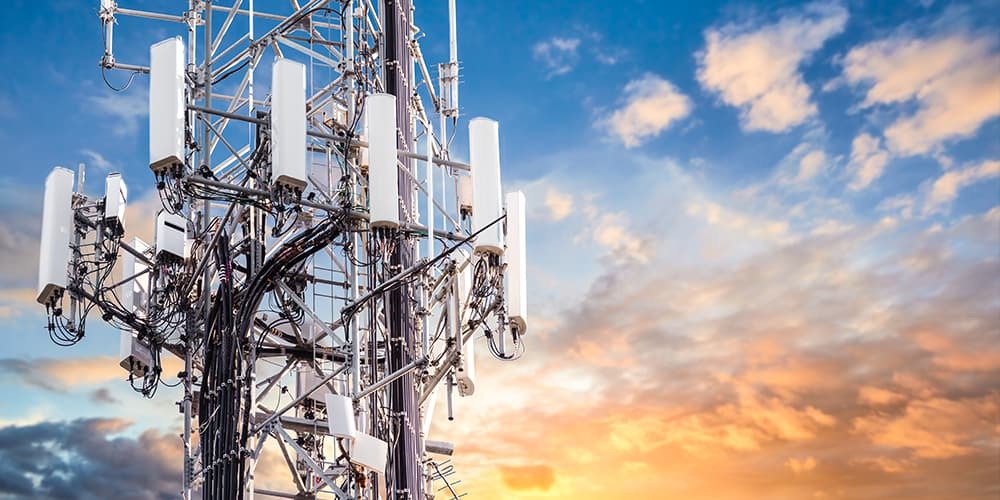
As announced by South African telecom operators, they plan to follow the rest of the world and phase out their 2G and 3G networks as it looks to make room and allocate resources for newer technologies.
This is nothing new. Since the very beginning of networking, service providers have shut down legacy networks to make way for the next generation network technology.
As such, the shutdown of these older mobile frequencies may seem insignificant, but it has big implications for the IoT industry. Recent surveys show that the sunset of 2G and 3G will affect more than half of all IoT devices connected via cellular. This leaves many IoT businesses in a quandary as they seek alternatives to the network solutions they’ve been using for many years.
In South Africa, current indicative start dates of spectrum sunsets as communicated by mobile networks are:
Vodacom: 3G sunset start is planned for 2023. 2G sunset start is planned for 2025.
MTN: 3G sunset start is planned for 2025/26.
With a large percentage of the 125 million cellular IoT connections deployed around the globe using less than 5 MB of data per month, low bandwidth solutions are still relevant and cost-effective. For this reason, mobile network operators are looking to next-generation LTE technologies such as LTE-M and NB-IoT as a replacement for 2G and 3G. The benefits of these technologies include improved battery life, low power consumption ,greater penetration for indoor and outdoor locations, and perhaps most importantly, lower costs. These technologies are also future-proof to avoid obsolescence for many years to come